
Why Ant Infestations Keep Returning Without Professional Treatment
Understanding why ant infestations keep returning without professional treatment highlights the importance of local contractors who can identify and eliminate hidden nests and entry points effectively.
Many property owners find themselves frustrated by ant infestations that seem to keep coming back despite repeated efforts to eliminate them. This ongoing cycle often stems from underlying issues such as hidden entry points, persistent nesting sites, or the presence of food and water sources that attract ants repeatedly. Understanding these practical reasons can help homeowners and business owners recognize why DIY methods may fall short and why professional ant control services are often necessary to break the cycle for good.
Local contractors specializing in ant infestation control have the experience and tools to identify and address the root causes of recurring ant problems. They can assess the property for hidden nests, seal entry points, and implement targeted treatments designed to eliminate colonies at their source. Exploring this topic can provide valuable insights into how professional services can effectively prevent ant populations from returning, helping property owners maintain a pest-free environment in the long term.
- Ant Nest Removal - when persistent ant colonies underground or within structures cause ongoing infestations, local contractors use targeted treatments to eliminate nests and prevent return.
- Barrier Treatments - if ants keep crossing entry points, local service providers apply perimeter barriers to block access and reduce recurring invasions.
- Indoor Ant Control - when ants are inside the home, pros implement interior treatments and exclusion methods to address hidden colonies and prevent future entry.
- Sanitation and Habitat Modification - in cases where attractants persist, local experts advise on sanitation and habitat changes to reduce food sources and nesting sites.
- Monitoring and Follow-Up Services - ongoing monitoring helps identify new activity early, allowing local pros to adjust treatments and keep ant infestations from returning.

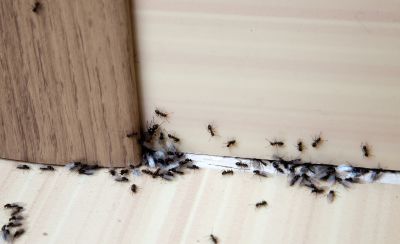
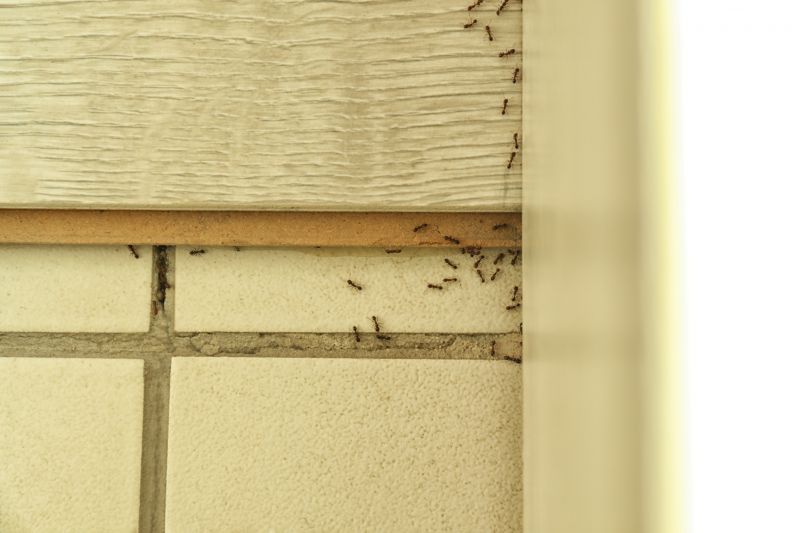
When people search for why ant infestations keep returning without professional treatment, they are often trying to understand why their efforts to eliminate ants seem ineffective over time. Many homeowners notice recurring ant problems despite using store-bought baits, sprays, or DIY methods. This pattern can be frustrating, leading them to wonder if the ants are simply stubborn or if there’s a deeper reason behind the persistent invasions. Typically, this concern relates to ongoing pest issues that disrupt daily life, especially when ants invade kitchens, pantries, or outdoor living spaces, making it clear that a more comprehensive approach may be needed.
This topic often connects to broader problems such as repeated invasions, difficulty in controlling large colonies, or ongoing property damage caused by ant activity. Homeowners may have plans to keep their homes clean and pest-free but find that ants reappear despite these efforts. In many cases, the root of the problem lies in the complex life cycle of ants and their ability to establish extensive colonies. Without professional treatment, these colonies can remain hidden and resilient, continually sending out new foraging workers that lead to repeated infestations. Local service providers specializing in ant control can help break this cycle by targeting the colony at its source.
The types of properties that commonly experience ongoing ant problems include residential homes, especially those with accessible entry points around doors, windows, and foundation cracks. Properties with gardens, landscaping, or mulch beds are also vulnerable, as these create ideal environments for ants to establish nests close to the home. Multi-family dwellings, such as apartment complexes or condos, may face persistent issues due to shared walls and communal outdoor spaces. These properties often require targeted treatments to eliminate the entire colony, which is why professional ant control services are a practical solution to prevent the cycle of return.
Understanding why ant infestations keep returning without professional treatment highlights the importance of working with local contractors who specialize in pest management. These service providers have experience identifying ant entry points, nesting sites, and colony structures that are often hidden from view. They can implement treatments designed to eliminate the entire colony rather than just the visible ants, reducing the chance of recurrence. For homeowners facing ongoing ant problems, connecting with local pros offers a strategic approach to long-term control, helping to protect the property and restore peace of mind.
Pest Inspection Services - Professionals skilled in identifying hidden ant nests and entry points that contribute to recurring infestations.
Home Sealing Projects - Local contractors specializing in sealing cracks and gaps that ants use to access indoor spaces, helping prevent return visits.
Moisture Control Services - Experts who address moisture issues around the property that attract ants and support their colonies.
Sanitation and Cleanup Projects - Service providers who improve sanitation to eliminate food sources that sustain ant colonies indoors and outdoors.
Landscape Maintenance Services - Local pros who manage yard and garden conditions that can harbor ant nests close to the home.
Barrier Treatment Applications - Professionals applying targeted treatments to create effective barriers that reduce the likelihood of ant reinfestation.
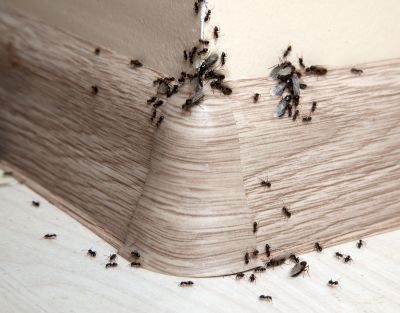
When comparing service providers for ant infestation control, it’s important to consider their experience with similar projects. Local contractors who have a history of successfully handling ant problems can provide insights into common causes of recurring infestations and effective strategies to address them. An understanding of the specific ant species and the environment in which they thrive can make a significant difference in achieving long-term results. Homeowners should inquire about the types of ant issues the provider has managed in the past, ensuring they have the practical knowledge needed to tackle persistent infestations effectively.
Clear, written expectations are essential when evaluating ant control services. Reputable service providers should be able to outline what the treatment process involves, what homeowners can expect during and after the service, and any recommended follow-up actions to prevent future invasions. Having this information in writing helps avoid misunderstandings and ensures that both parties are aligned on the scope of work. It’s also advisable to ask for detailed explanations of the methods used, so homeowners can determine if the approach aligns with their expectations for a thorough and lasting solution.
Reputable local contractors should be able to provide references or examples of previous work, demonstrating their reliability and success in controlling ant infestations. Good communication is also a key factor; service providers who are responsive and willing to answer questions can help homeowners feel more confident about the process. When comparing options, it’s beneficial to seek out providers who prioritize transparency and are willing to discuss their methods and experience openly. This approach helps ensure that homeowners select a professional who can effectively address why ant infestations keep returning and provide a tailored solution to break the cycle.
Property owners often search for why ant infestations keep returning without professional treatment when they are planning practical projects around their homes and businesses. Local pros provide Ant Infestation Control services for everyday jobs and straightforward project options.
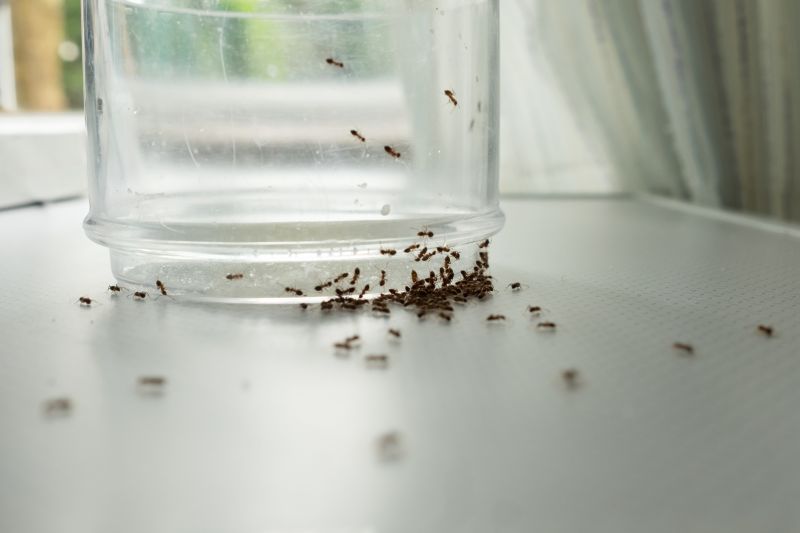
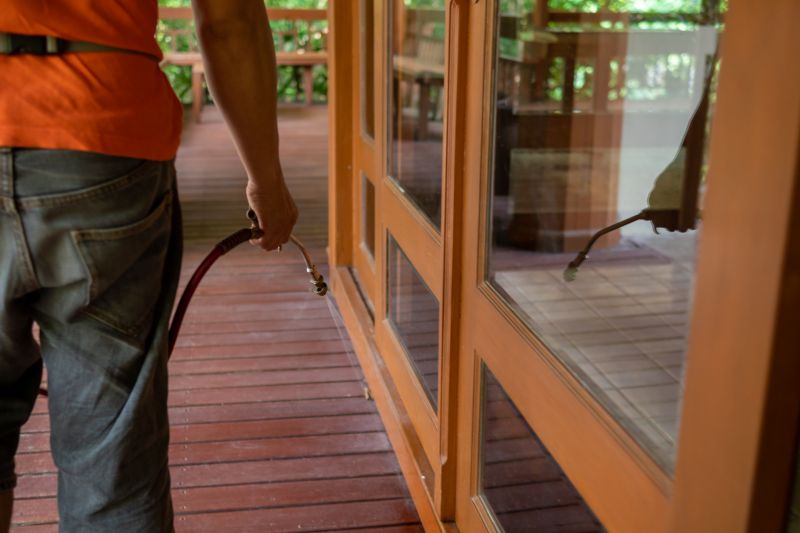
Ant infestations tend to keep returning when property owners do not address the underlying causes that attract ants to the area. Common issues like food crumbs left on countertops, unsealed gaps around doors and windows, and accumulated debris near the foundation create easy access points and attractants for ants. Without professional treatment to identify and eliminate these entry points and attractants, the pests can quickly establish new colonies or re-invade even after initial removal efforts.
Additionally, ant colonies often extend deep underground or within wall voids, making it difficult to fully eradicate them without specialized knowledge and tools. If the root of the problem isn’t properly managed, ants can survive and reproduce beyond the reach of DIY solutions. Local contractors experienced in ant infestation control can assess the property thoroughly, identify hidden nests, and implement targeted treatments to help prevent future invasions.
Why do ant infestations keep returning even after cleaning? Ant infestations often return because the colony's queen and hidden nests remain undetected. Local contractors can identify and treat these hidden sources to prevent future re-infestations.
How do ants find their way back after treatment? Ants follow established scent trails and may establish new nests nearby if their original colony isn't fully eliminated. Professional ant control services target these trails and nests to break the cycle.
Can existing structures or landscaping cause ants to return? Yes, certain structures, mulch, or plants can provide easy access or shelter for ants. Local service providers can assess and address these attractants to reduce re-infestations.
Why is it important to address the root cause of ant infestations? Addressing only the visible ants without eliminating the colony and nesting sites allows the infestation to persist or return. Local pros focus on comprehensive treatments to eliminate the source.
How do professional ant control services help prevent future infestations? These services identify and treat hidden nests, barriers, and attractants, reducing the likelihood of ants returning and providing long-term control solutions.
Identifying hidden entry points - property owners can work with local contractors to locate and seal small cracks and gaps that ants use to enter indoor spaces.
Removing attractants and food sources - eliminating accessible food, spills, and clutter around the property can prevent ants from establishing a foothold, with guidance from local pros.
Implementing barrier treatments - applying targeted barriers around the foundation and landscaping can help deter ants from re-infesting, with assistance from local service providers.
Addressing moisture and habitat issues - fixing leaks, reducing standing water, and managing yard debris can make the environment less appealing to ants, supported by local ant control experts.
If you are thinking about why ant infestations keep returning without professional treatment for a property, this guide is meant to help you understand this topic, the typical project types, and how different options might fit your plans.
When you are ready, you can use the quote form on this page to share a few details about your project. From there, local pros can review the basics and follow up with options that match what you have in mind.