
How Professional Cricket Pest Control Works
People seeking cricket control typically aim to eliminate infestations, and local service providers can efficiently handle the job through professional pest management techniques.
If property owners in the area are dealing with cricket issues, understanding how professional cricket pest control works can provide valuable insights into effective solutions. These services typically involve a combination of inspection, targeted treatments, and ongoing prevention strategies designed to address cricket infestations safely and efficiently. Knowing what to expect from professional efforts can help property owners make informed decisions about safeguarding their homes or businesses from these persistent pests.
Local contractors who specialize in cricket control employ practical methods to identify entry points, eliminate existing crickets, and implement measures to prevent future invasions. Their expertise ensures that treatments are tailored to the specific needs of each property, helping to reduce the likelihood of recurring problems. Exploring how professional cricket pest control works can clarify the process and highlight the benefits of working with experienced service providers to keep cricket populations under control.
- Cricket exclusion services - needed when homeowners notice cricket entry points and want professional contractors to seal gaps effectively.
- Infestation treatments - required when crickets have invaded indoor or outdoor spaces, with service providers applying targeted solutions.
- Preventive inspections - helpful for those seeking to identify potential cricket entry areas before an infestation occurs.
- Habitat modification - used by local pros to reduce cricket-friendly environments around properties, minimizing future issues.
- Ongoing monitoring and maintenance - essential for property owners wanting to keep crickets from returning after initial control efforts.
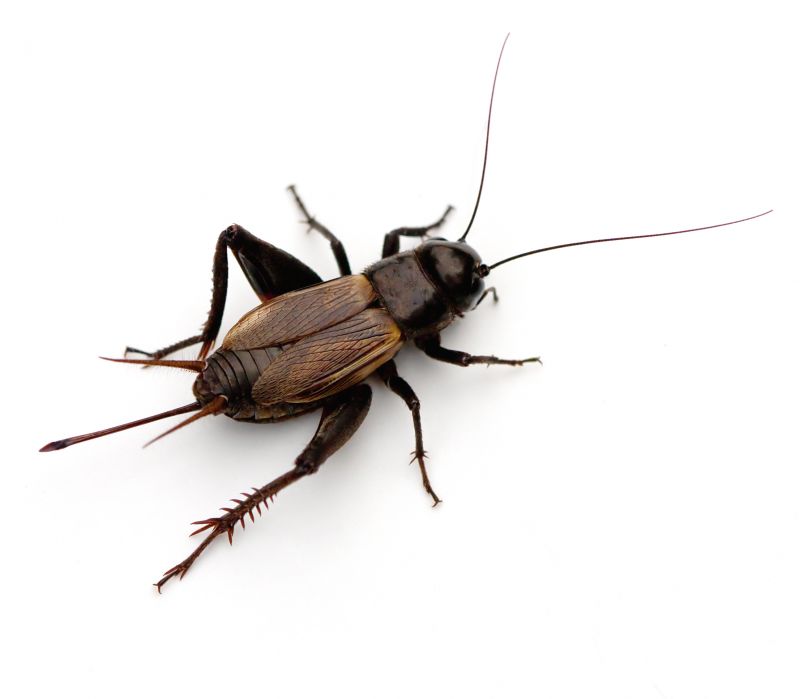
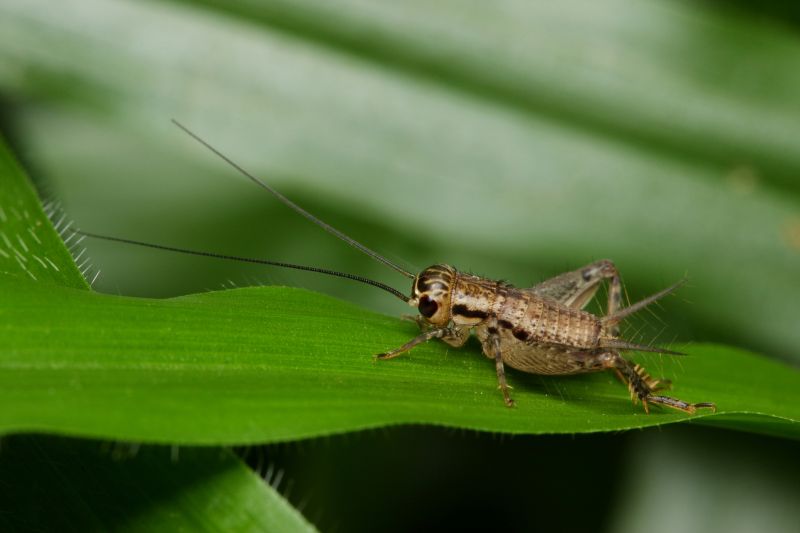
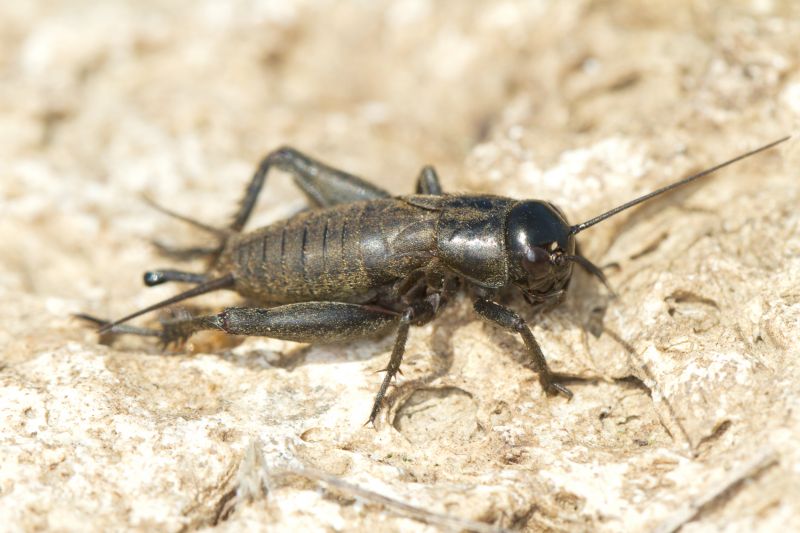
When people search for how professional cricket pest control works, they are usually interested in understanding the process used to eliminate or manage cricket infestations on residential or commercial properties. This topic often comes up when homeowners notice an increase in cricket activity around their house, especially during certain seasons when crickets are most active. Many are seeking insight into how pest control methods are applied, what types of treatments are involved, and how effective these approaches can be in reducing cricket populations. The goal is to gain clarity on what to expect from professional services and how these experts address the problem safely and efficiently.
Cricket pest control is generally related to problems caused by crickets entering and nesting within a property, often leading to noise disturbances and potential damage to fabrics, paper, or other household items. Property owners might plan to prevent crickets from becoming a larger nuisance or to eliminate an existing infestation. Local service providers typically assess the severity of the cricket activity, identify entry points or nesting sites, and then implement targeted treatments. These can include applying insecticides, sealing entry points, and providing advice on reducing attractants around the property, all aimed at controlling the cricket population effectively.
The types of properties that commonly encounter cricket issues include single-family homes, apartment complexes, and sometimes commercial buildings like warehouses or retail spaces. Residential properties with yards, gardens, or nearby grassy areas tend to be more susceptible to cricket activity, especially if there are cracks, gaps, or other openings that allow crickets to enter. Commercial properties that store materials or have storage areas with dark, undisturbed corners may also experience cricket problems. Local contractors who specialize in cricket pest control are equipped to handle these various property types by customizing their approach to suit the specific environment and infestation level.
Understanding how professional cricket pest control works helps property owners see its role in managing infestations effectively. These service providers use a combination of inspection, targeted treatments, and prevention strategies to control cricket populations. Their work often involves identifying where crickets are nesting or hiding, applying appropriate treatments to those areas, and advising on measures to reduce attractants such as debris or moisture. By connecting with local contractors experienced in cricket control, property owners can ensure that the problem is addressed with practical, tailored solutions that fit their property’s unique needs.
Exclusion and sealing projects - these projects involve identifying entry points and sealing gaps, skills that are essential in preventing cricket infestations and are often handled by local contractors specializing in pest barriers.
Structural repair and prevention services - repairing cracks, holes, and other structural issues helps prevent crickets from entering buildings, requiring similar planning and tools used in cricket control efforts.
Insect habitat modification projects - modifying landscaping or removing debris around properties reduces cricket habitats, aligning with pest control strategies that focus on habitat management.
Rodent and pest exclusion services - these projects involve installing barriers and traps that can also be effective in controlling cricket populations around structures.
Inspection and monitoring services - regular property inspections to detect pest activity are a common component in cricket control and related pest management projects.
General pest management services - comprehensive pest control treatments often include cricket management, requiring similar techniques and planning as professional cricket pest control.
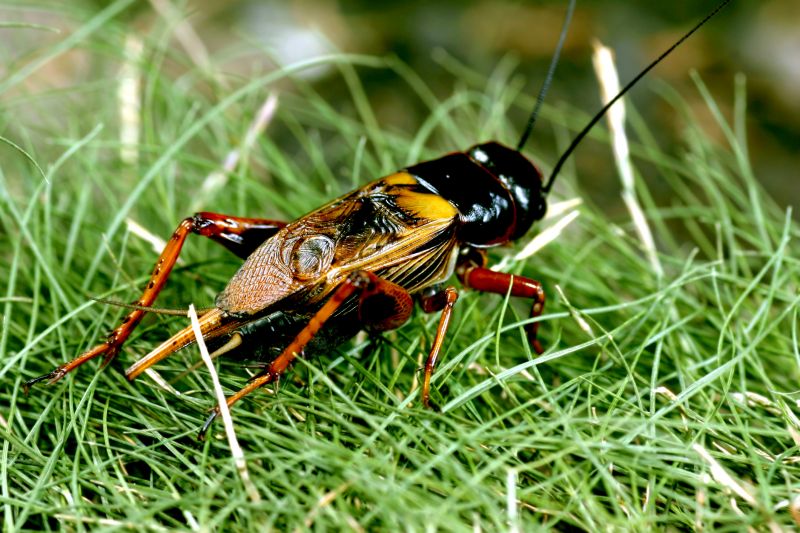
When comparing service providers for cricket control services, it’s important to consider their experience with similar pest management projects. Homeowners should look for local contractors who have a track record of effectively handling cricket infestations in residential settings. An experienced professional will be familiar with the common hiding spots, behaviors, and effective treatment methods, which can lead to more reliable results. Asking about previous projects or seeking out references can provide insight into their familiarity with cricket control and whether they have successfully addressed issues similar to the homeowner’s situation.
Clear, written expectations are a crucial aspect of selecting a service provider. Homeowners should seek contractors who are willing to outline the scope of work, the methods they plan to use, and any precautions or follow-up steps involved in the cricket control process. Having this information in writing helps ensure that both parties are aligned on what the service entails and avoids misunderstandings. Service providers who communicate transparently and provide detailed explanations are often more reliable, making it easier for homeowners to understand what to expect and how the process will be managed.
Reputable references and good communication are key factors when evaluating local contractors for cricket control. Homeowners can ask for references from previous clients or check reviews to gauge the quality of the provider’s work and customer service. A contractor who maintains open lines of communication, responds promptly to questions, and provides thorough explanations demonstrates professionalism and a commitment to customer satisfaction. These qualities help ensure that the homeowner feels confident in the provider’s ability to handle the project effectively and address any concerns that may arise throughout the process.
Property owners often search for how professional cricket pest control works when they are planning practical projects around their homes and businesses. Local pros provide Cricket Control services for everyday jobs and straightforward project options.
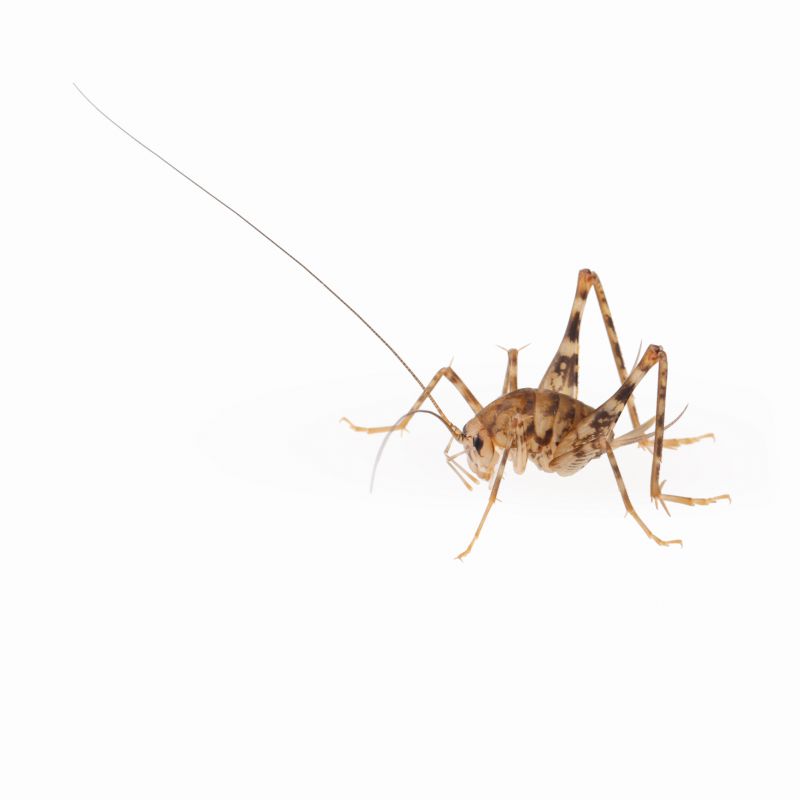
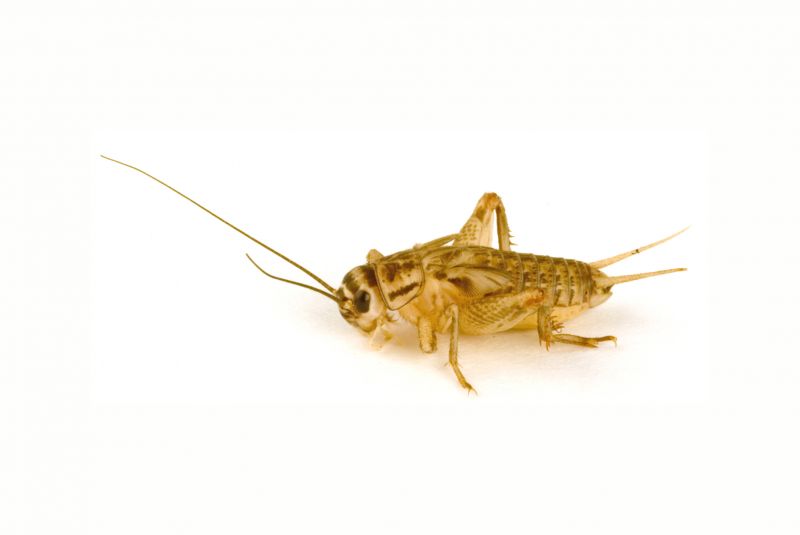
In many property situations, homeowners and business owners may notice cricket activity around their buildings, especially during warmer months. Crickets can sometimes become a nuisance when they invade indoor spaces or gather in large numbers outside. When this occurs, property owners often look into professional cricket pest control services to address the issue effectively. Local contractors who specialize in pest management understand how cricket infestations develop and can provide tailored solutions to eliminate these pests and prevent future invasions.
Understanding how professional cricket pest control works can help property owners make informed decisions about managing infestations. Typically, local service providers assess the affected areas to identify entry points and breeding sites. They then implement targeted treatments that may include applying barriers or residual insecticides to reduce cricket populations. These experts also offer advice on how to reduce attractants and seal entry points, helping to maintain a cricket-free environment. Connecting with experienced local contractors ensures that pest issues are handled efficiently and in a manner suited to the specific needs of each property.
How does professional cricket pest control work? Professional cricket pest control typically involves a thorough inspection of the property to identify cricket activity and entry points, followed by targeted treatments such as baiting, trapping, or applying residual insecticides to affected areas.
What methods do local service providers use to control crickets? Local contractors often use a combination of bait stations, crack and crevice treatments, and exclusion techniques to prevent crickets from entering and to eliminate existing infestations.
Are treatments safe for my family and pets? Most professional cricket control services use treatments that are safe when applied properly, with many providers following safety guidelines to minimize risks to residents and animals.
How do pest control professionals identify cricket hiding spots? They conduct a detailed inspection of the property, looking for cracks, gaps, and moist areas where crickets tend to hide and breed, then tailor their treatments accordingly.
What steps do local contractors take to prevent future cricket problems? They often recommend sealing entry points, removing debris or moisture sources, and setting up ongoing monitoring or maintenance plans to keep crickets from returning.
Inspection process - local contractors assess the property to identify cricket activity and entry points, helping plan effective control strategies.
Targeted treatment methods - professionals apply specialized treatments to cracks, crevices, and outdoor areas where crickets are likely to hide and breed.
Preventive recommendations - experts advise on sealing gaps and reducing attractants to minimize future cricket infestations around the property.
Follow-up services - ongoing inspections and treatments ensure that cricket populations are kept under control and do not return.
If you are thinking about how professional cricket pest control works for a property, this guide is meant to help you understand this topic, the typical project types, and how different options might fit your plans.
When you are ready, you can use the quote form on this page to share a few details about your project. From there, local pros can review the basics and follow up with options that match what you have in mind.